Huawei LUNA2000-17-S1 vs Sungrow SBR160

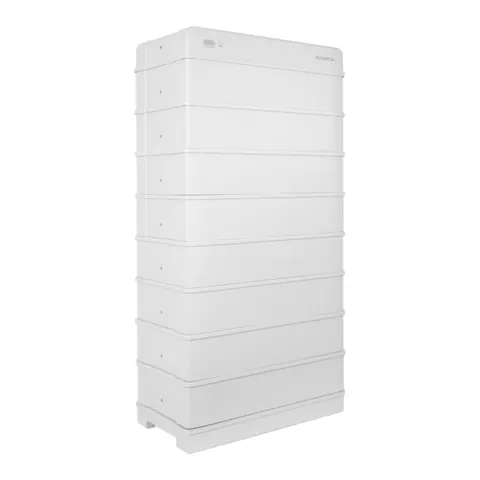
Usable capacity: Huawei LUNA2000-17-S1 16.9 kWh, Sungrow SBR160 16 kWh. Both models win equally often (1 of 4 points).
Last updated: + Add a model
Both models in detail
Who wins where
- Huawei LUNA2000-17-S1
- Sungrow SBR160
Biggest differences
| Fact | LUNA2000-17-S1 | SBR160 |
|---|---|---|
| Weight | 216 kg | 180 kg |
| Usable capacity | 16.9 kWh | 16 kWh |
Score per area = position (0–100) relative to all 140 models in this category; higher is better.
| Technical specifications | HuaweiLUNA2000-17-S1 | SungrowSBR160 |
|---|---|---|
| General | ||
| Cell chemistry | LFP1 | LFP2 |
| Performance | ||
| Usable capacity | 16.9 kWh✓1 | 16 kWh2 |
| Nominal capacity | – | 16 kWh3 |
| Charge power (continuous) | 10.5 kW1 | – |
| Discharge power (continuous) | 10.5 kW1 | – |
| Efficiency | ||
| Depth of discharge | 100 %1 | 100 %2 |
| Dimensions & weight | ||
| IP rating | IP661 | IP552 |
| Min. operating temperature | -20 °C1 | -20 °C2 |
| Width | 590 mm1 | 625 mm2 |
| Height | 1,230 mm1 | 805 mm2 |
| Depth | 255 mm1 | 330 mm2 |
| Weight | 216 kg1 | 180 kg✓2 |
| Warranty & lifespan | ||
| Warranty | – | 10 years2 |
Frequently asked questions
Which is better: the Huawei LUNA2000-17-S1 or the Sungrow SBR160?
Usable capacity: Huawei LUNA2000-17-S1 16.9 kWh, Sungrow SBR160 16 kWh. Both models win equally often (1 of 4 points).
What is the usable capacity of the Huawei LUNA2000-17-S1 and the Sungrow SBR160?
Huawei LUNA2000-17-S1: 16.9 kWh. Sungrow SBR160: 16 kWh.
Which is better on weight: the Huawei LUNA2000-17-S1 or the Sungrow SBR160?
Sungrow SBR160: 180 kg. Huawei LUNA2000-17-S1: 216 kg.
Related comparisons
How we collect and check this data →
Sources
- LUNA2000-5/7/10/12/14/15/17/19/21-S1 – Technical Specification, 01-202509 — Huawei Digital Power Technologies Co., Ltd. · accessed 27 Sept 2026
- Hochspannungs-LFP-Batterie SBR096/128/160/192/224/256, 14 — Sungrow Power Supply Co., Ltd. · accessed 29 Sept 2026
- CEC approved solar batteries (Australia) — Clean Energy Regulator (Australian Government), CC BY 4.0 · accessed 29 Sept 2026